
How to Choose a Saree for Every Occasion
A practical framework for choosing a saree for weddings, receptions, festivals, formal events and intimate celebrations.
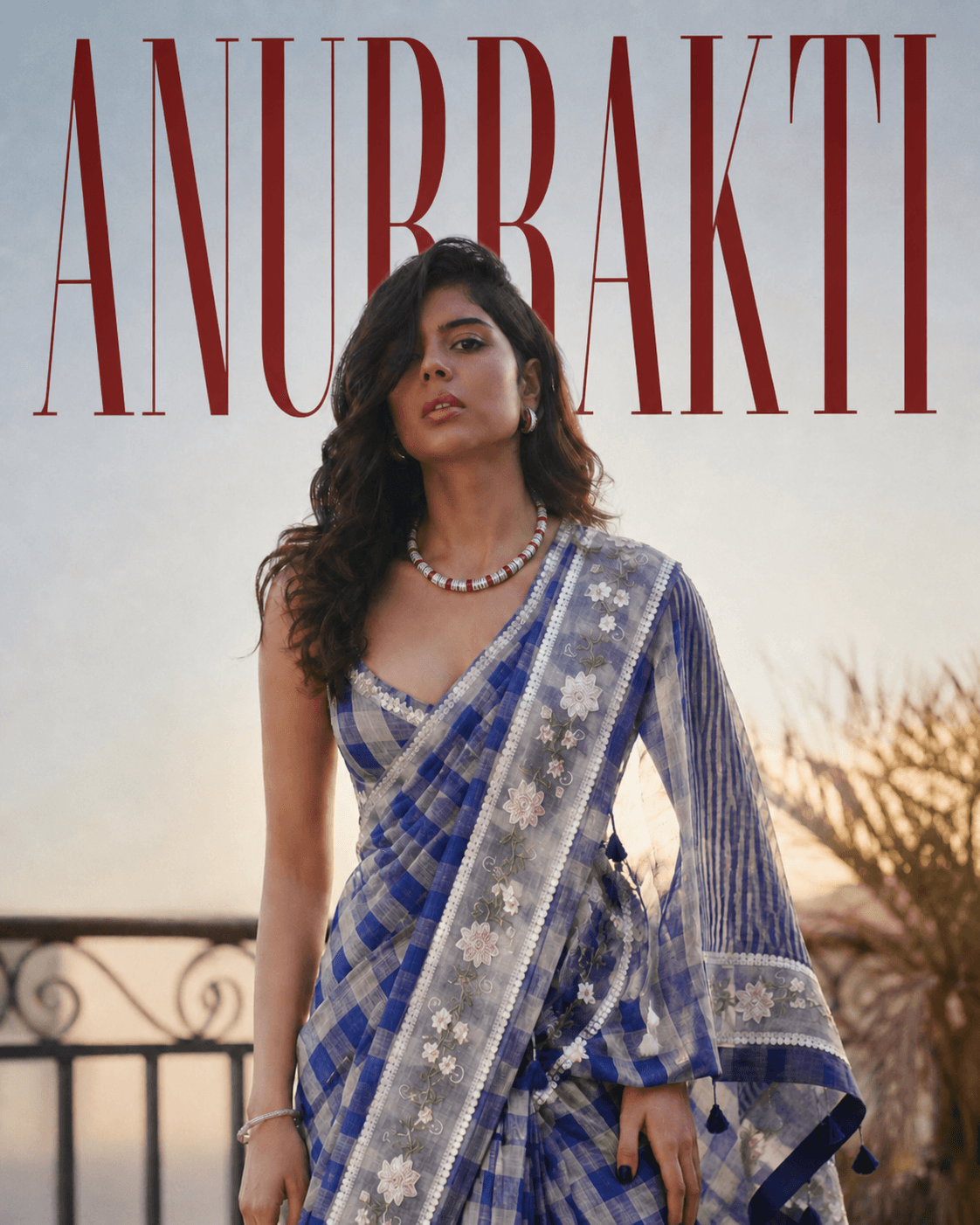
Start with the event, not the trend
Knowing how to choose a saree for an occasion is less about memorising a list of fabrics and more about understanding the event. A morning ceremony, an evening reception and a formal work gathering can all call for a saree, but they ask different things of the person wearing it.
Begin with the practical details: your role, the dress code, the venue, the weather, the length of the event and how much you will move. Then consider the saree's weight, surface, border, pallu and drape. The most successful choice is one that belongs in the room and still feels like you.
If you are still identifying the textile itself, begin with our guide to the types of sarees in India.
A five-question decision framework
01 / Your role
Are you the host, close family, a wedding guest, a colleague or attending in a professional capacity?
02 / Formality
Is the gathering ceremonial, festive, formal, semi-formal or intimate?
03 / Time and place
Will you be indoors or outdoors, in daylight or evening light, and in heat, humidity or air-conditioning?
04 / Movement
Will you sit through rituals, stand for hours, travel between venues, dine or dance?
05 / The complete look
Do the blouse, footwear, jewellery, bag and drape support the same degree of formality?
Occasions at a glance
| Occasion | Prioritise | Direction |
|---|---|---|
| Weddings and ceremonies | Role, ritual and duration | Ceremonial presence with dependable comfort |
| Receptions and evening celebrations | Light, movement and proportion | A stronger focal point with a clean silhouette |
| Festivals and religious gatherings | Custom, comfort and ease | Festive colour with a secure, respectful drape |
| Formal work and cultural events | Context, clarity and restraint | Polished structure without ceremonial excess |
| Daytime and outdoor gatherings | Climate, daylight and terrain | Lightness, movement and visible textile detail |
| Intimate celebrations and dinners | Personality and repeat wear | A singular detail with relaxed styling |
01
Weddings and ceremonies
Role, ritual and duration / Ceremonial presence with dependable comfort
For a wedding, first establish how close you are to the couple and which function you are attending. Immediate family may need more ceremonial presence than a guest at a daytime ceremony. The invitation, venue and local customs are better guides than a generic idea of wedding dressing.
An all-day function rewards a saree that can hold its drape through sitting, standing and photographs. Look at the total composition rather than ornament alone: a defined border, an expressive pallu or a richly worked surface can create occasion without making every element compete.
- Confirm the function and dress expectations with the host when they are unclear.
- Choose the blouse and footwear before finalising the drape length.
- Secure the pallu and pleats according to how much you expect to move.
02
Receptions and evening celebrations
Light, movement and proportion / A stronger focal point with a clean silhouette
Evening events allow colour, sheen and surface detail to respond to artificial light. This does not require maximum embellishment. One decisive element—a graphic pallu, an unusual blouse, a luminous border or a saturated colour—often has more impact than several competing statements.
Receptions also tend to involve greetings, dining and dancing. A controlled pallu and a drape you have worn before can matter more than choosing the most dramatic fabric in the wardrobe. Test how the saree looks while walking and sitting, not only while standing in front of a mirror.
- View the saree in both warm indoor light and phone-camera light.
- Let either the saree or the jewellery lead the composition.
- Use discreet pins where needed without flattening the natural fall.
03
Festivals and religious gatherings
Custom, comfort and ease / Festive colour with a secure, respectful drape
Festival dressing often carries family or regional meaning, so the best starting point may already be in your wardrobe. A familiar weave, inherited piece or colour connected with the occasion can feel more appropriate than something selected only because it is new.
Think about the physical rhythm of the day. If the event includes a puja, floor seating, cooking, visiting several homes or managing children, choose a saree and drape that let you participate comfortably. A beautiful saree should not keep you at the edge of the celebration.
- Respect family or community customs around colour and draping.
- Choose a blouse that remains comfortable through a long day.
- Keep the hem and pallu manageable around lamps, stairs and crowded spaces.
04
Formal work and cultural events
Context, clarity and restraint / Polished structure without ceremonial excess
A conference dinner, awards evening, office celebration and cultural programme may all be described as formal, but they do not share exactly the same atmosphere. Read the room: professional events usually benefit from a clear silhouette, a controlled pallu and surface detail that remains secondary to your presence.
Restraint does not mean removing personality. An interesting border, thoughtful colour pairing or distinctive blouse can make the look memorable. The goal is versatility—the same saree should be able to move from a formal gathering to a dinner with a change of jewellery or styling.
- Keep pleats neat and the pallu secure if you will be presenting or networking.
- Check that the blouse remains comfortable while seated for long periods.
- Carry one layer or shawl if the venue is heavily air-conditioned.
05
Daytime and outdoor gatherings
Climate, daylight and terrain / Lightness, movement and visible textile detail
Natural light reveals colour, weave and texture very clearly. Daytime dressing can therefore rely on the quality of the textile and a considered palette rather than heavy surface decoration. Light and mid-tone colours are options, not rules; deeper shades can work beautifully when the fabric and styling feel balanced.
For gardens, terraces and destination events, investigate the ground and weather. A very long hem, delicate surface or complicated drape may become difficult on grass, steps or in wind. Choose footwear for the terrain before setting the final saree length.
- Check how the fabric feels in the expected temperature and humidity.
- Use a secure pallu if the venue is exposed to wind.
- Consider sunscreen, perspiration and contact with outdoor seating when choosing colour and care.
06
Intimate celebrations and dinners
Personality and repeat wear / A singular detail with relaxed styling
Smaller gatherings leave room for a more personal choice. A saree with an unusual colour relationship, illustration, border or story can become the centre of the look without needing the conventional signals of grand occasion wear.
This is also the right setting for rewearing. Change the blouse, jewellery, hair or pallu treatment and the same saree can feel entirely different. Repetition is not a failure of styling; it is often where personal style becomes visible.
- Choose one element to carry the visual emphasis.
- Use accessories to change the mood of a familiar saree.
- Prioritise a drape that feels natural rather than overly arranged.
The final three-part check
- Does it suit the room? Check the invitation, venue, time and your role.
- Can you wear it for the full event? Sit, walk and raise your arms in the complete look.
- Does it still feel like you? Keep one choice—colour, textile, blouse or jewellery—distinctly personal.
Choose with intention
Find a saree that belongs in the moment.
Explore the current one-of-one ANURRAKTI collections, then enquire about the piece that holds your attention.
Explore collectionsSources and further reading
This is editorial guidance rather than a fixed dress code. Recommendations should be adapted to the invitation, local custom, weather and the wearer's comfort. Textile context was checked against museum and Indian cultural-sector resources.
Continue reading
Related saree guides
The Saree Guide / 01
Types of Sarees in India: 8 Regional Traditions
An introduction to eight regional saree traditions, from Banarasi brocade and Kanjeevaram silk to Bandhani resist dyeing and Patola double ikat.
The Saree Guide / 08
Saree Colour Combinations: A Practical Styling Guide
Six reliable ways to combine a saree, border, pallu and blouse using colour relationship, contrast and proportion.
The Saree Guide / 07
How to Choose a Saree Blouse: Fit, Fabric and Design
A practical guide to blouse fit, fabric, neckline, sleeves and finishing—built around movement and the saree you plan to wear.